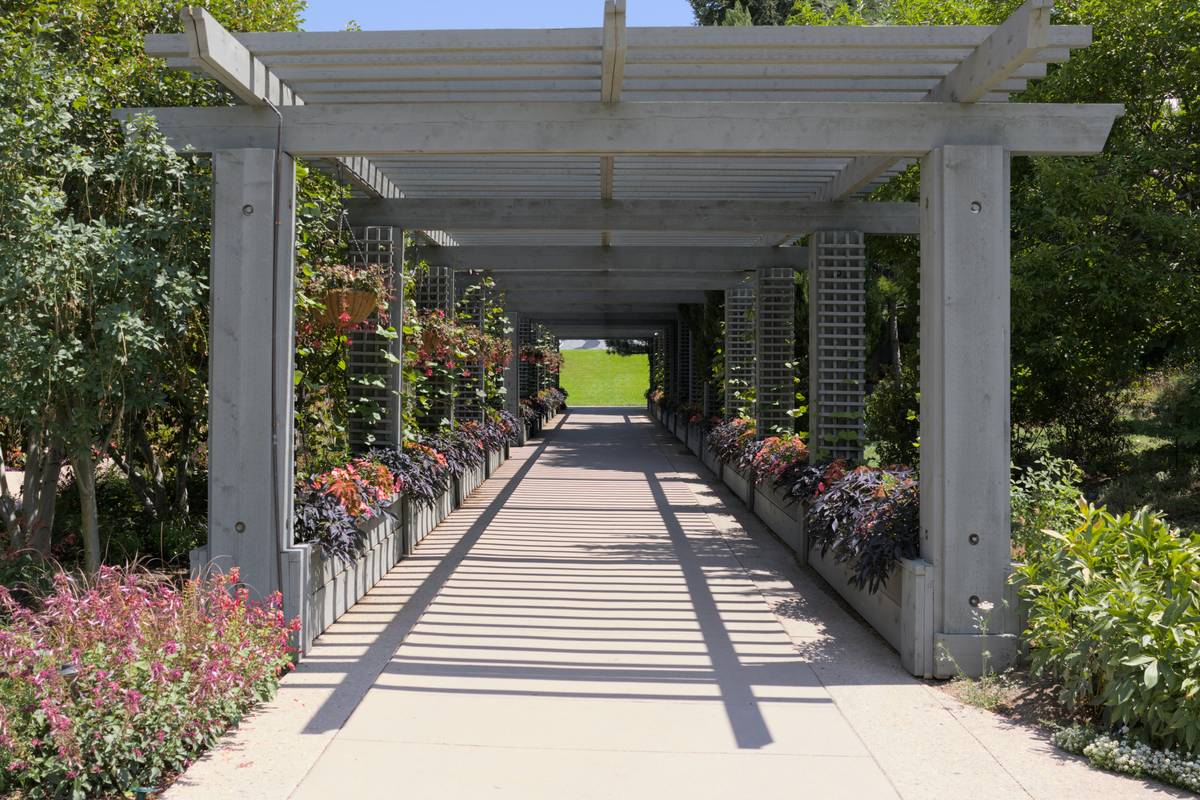
You spent weeks choosing roses. You pruned, fertilized, and even installed a drip system. But something’s missing. That “wow” moment when guests enter your yard? Nowhere to be found. Generic benches or plastic trellises won’t cut it. The solution isn’t more plants—it’s structure. Specifically, the right style of outdoor arbors that frames your garden like a living painting.
The Core Problem: Why Most Arbors Fail Within Two Seasons
Most homeowners buy arbors based on looks alone. Big mistake. They pick flimsy vinyl or untreated pine because it matches their patio cushions. Six months later? Warped beams. Rust stains. Vines pulling the whole thing sideways. And forget resale value—buyers see a leaning archway and assume deferred maintenance everywhere else.
Here’s the reality: an arbor isn’t just decor. It’s load-bearing architecture for living weight. Wisteria alone can add 200+ pounds over time. Yet 80% of store-bought kits use 2×2 posts—barely sturdier than tomato stakes.
Building or Buying the Right Style of Outdoor Arbors: A Step-by-Step Breakdown
Material Matters More Than Design
Treated cedar lasts 15–20 years outdoors with zero finish. Aluminum won’t rot but can look industrial unless powder-coated in matte black or bronze. Avoid composites—they expand in heat and crack at joints. And never, ever use pressure-treated lumber rated for ground contact above soil—it leaches copper that kills climbing plants.
Dimensions Dictate Longevity
Your arbor needs minimum 4×4 posts sunk 24 inches deep in concrete footings—not gravel, not packed dirt. Width? Keep it under 5 feet unless you’re engineering cross-bracing. Anything wider sags without steel reinforcement. Height should clear 7 feet so tall guests don’t duck—and vines have vertical room to breathe.
Installation Timing Is Everything
Plant first, build later. Get your clematis or jasmine in the ground early spring. Let roots establish for 8–10 weeks. Then install the arbor centered precisely over the plant. This avoids transplant shock and ensures even vine distribution. Skipping this causes lopsided growth no pruning can fix.
| Arbor Type | Upfront Cost | Lifespan (Years) | Vine Compatibility | Resale Impact |
|---|---|---|---|---|
| DIY Cedar Kit | $350–$600 | 15–20 | Excellent (non-acidic wood) | High – signals craftsmanship |
| Powder-Coated Aluminum | $800–$1,400 | 25+ | Good (use plant ties, not nails) | Medium – modern buyers love it |
| Vinyl Retail Unit | $180–$300 | 3–5 | Poor (smooth surface = vines slip) | Low – seen as disposable |
| Pressure-Treated Pine | $250–$450 | 5–8 | Risky (chemicals harm roots) | Negative – red flag for inspectors |

The Industry Secret: How Landscapers Hide Structural Reinforcement
Top designers embed hidden steel channels inside wooden posts—then cap them with seamless cedar sleeves. From 10 feet away? Pure timber elegance. Up close? Unshakeable rigidity. This trick costs 20% more but prevents the #1 reason arbors fail: lateral sway during storms. And here’s the kicker—most contractors won’t suggest it unless you ask. They assume you want “cheap pretty.” But real curb appeal holds its shape through hurricanes, not just Instagram shoots.
Frequently Asked Questions
What’s the best wood for outdoor arbors?
Cedar or redwood. Both resist rot naturally and won’t poison climbing plants. Skip treated pine—it leaches toxins into soil.
How deep should arbor posts be set?
At least 24 inches into concrete footings. Shallow installs shift in frost heave or soft soil, causing dangerous lean within one year.
Can I grow edible vines on an arbor?
Absolutely—but only if it’s non-toxic material. Cedar, aluminum, or food-safe composites work. Never use pressure-treated wood near edibles.